
The Evolution of the Corporate Stage
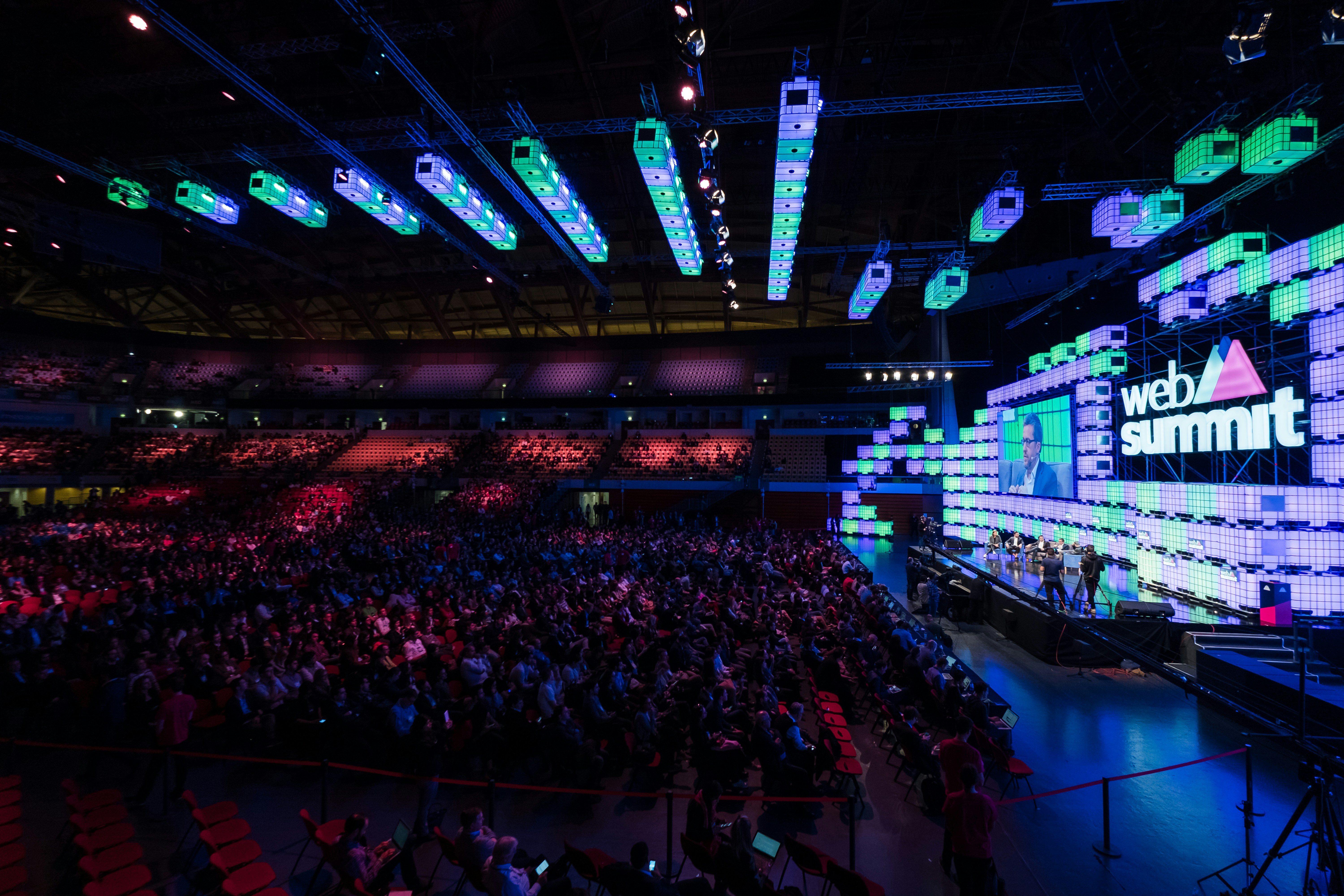
The lights dim. Music fills the room. An opening film stretches across an LED wall. A speaker walks onstage, and for a moment, the audience is fully engaged.
Then the presentation begins, and the room settles into a familiar rhythm: speaker, slide, next slide.
That opening moment offers a glimpse of what the entire keynote could become.
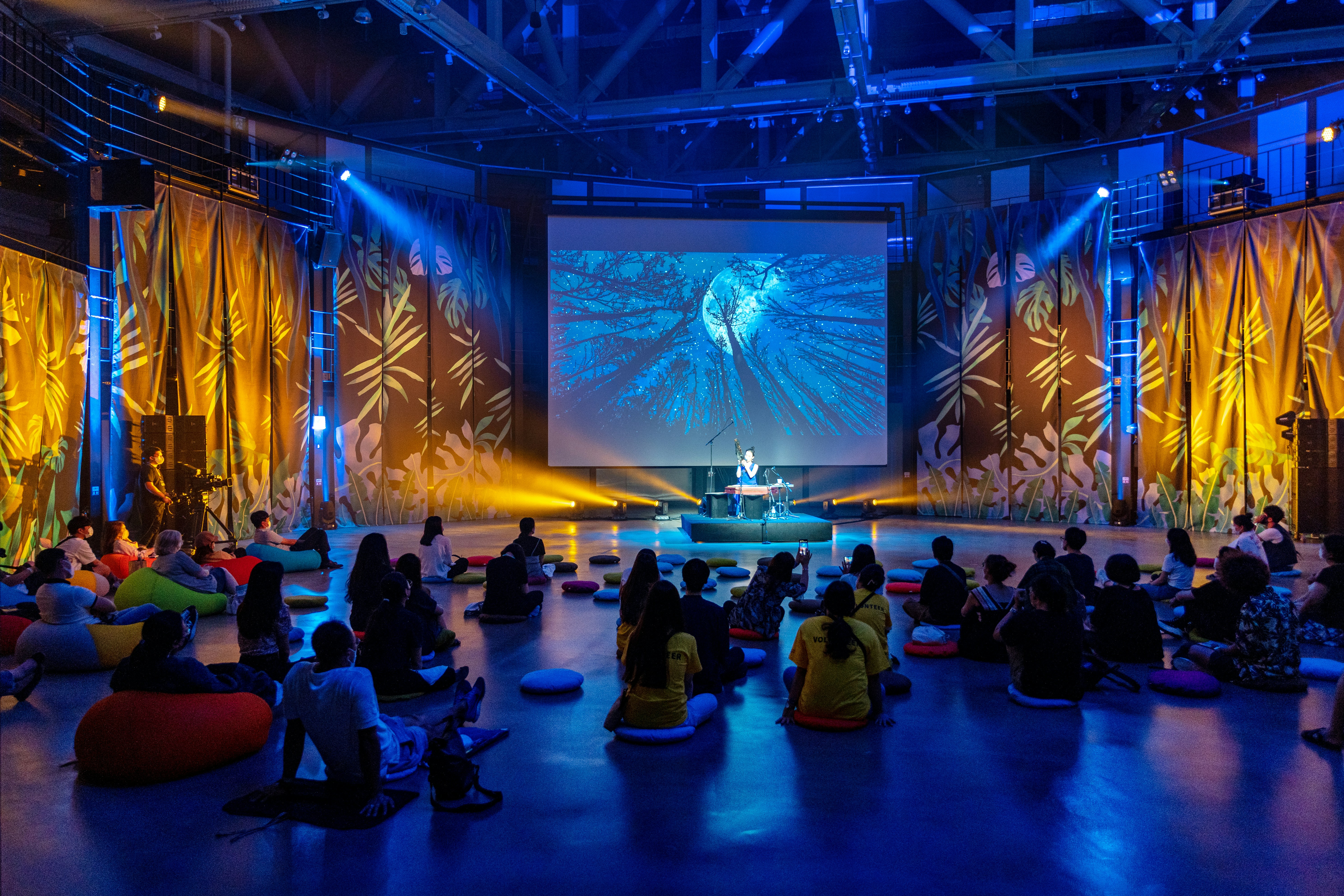
Corporate events already use many of the ingredients of an immersive experience: large-scale visuals, lighting, music, film, live demonstrations, and carefully staged reveals. The next evolution is bringing those elements into a continuous relationship with the story being told.
At PIXEL, we see the immersive keynote as an opportunity to make the environment an active part of communication.
The Room Becomes Part of the Presentation
The room itself becomes part of the presentation.
A keynote about the future of healthcare might move through the human experience behind the technology, placing the audience inside the environments where that innovation matters. A product launch might build from a recognizable customer challenge into a live demonstration, with imagery, sound, and lighting supporting each transition. A leadership address might use the stage to make an ambitious vision feel tangible and shared.
Each choice has a purpose: direct attention, clarify an idea, establish emotional context, or give an important moment room to land.
Where the Opportunity Lives
Much of this already happens in corporate production. But the pieces can develop separately. A creative team produces the opening video. A speaker builds the deck. Lighting establishes a branded look. Audio handles microphones and walk-on music. Each contribution may be excellent, while the connections between them remain underdeveloped.
That is where the opportunity lives.
When the narrative, content, environment, and technical execution are designed together, the keynote gains a deliberate rhythm. A visual transition can introduce a new chapter. A change in lighting can focus attention on the speaker. Sound can build anticipation before a reveal, then disappear when a human voice deserves the room.
Restraint belongs in that design. Constant movement and stimulation can compete with the message. An immersive keynote needs contrast, quiet, and space as much as it needs scale.
Beyond Engagement
The value begins with engagement, but the ambition extends beyond holding attention.
A well-designed experience gives an idea a setting, a feeling, and a distinctive moment that people can refer back to. The goal is for an attendee to remember both the reveal and what it meant: the customer problem being solved, the possibility being introduced, or the reason the company’s direction matters.
The memorable imprint should carry the message with it.
For a brand, that creates an opportunity to express its identity through the experience itself. Precision can be felt in the timing. Imagination can be seen in the environment. Care can be heard in the clarity of every spoken word.
One Coordinated Production
The same thinking can shape a leadership summit, customer conference, investor presentation, or company gathering. Its effectiveness depends on how thoughtfully the experience supports the audience and the objective. A focused room with a coherent creative direction can deliver something powerful.
At PIXEL, our approach brings storytelling, visual content, display systems, lighting, sound, and playback into one coordinated production. We begin with what the audience needs to understand, feel, and carry forward. Then we design the experience around those outcomes.
Corporate keynotes already contain moments of immersion.
The next step is to make those moments intentional, connected, and inseparable from the story.
So when the audience leaves, they have more than a memory of an impressive stage.
They have an idea that stays with them.